Moving guide Walworth Road to New Kent Road removals
Posted on 19/06/2026
If you are planning a move from Walworth Road to New Kent Road, the job can look simple on paper and feel oddly complicated in real life. It is a short South London move, yes, but short moves have their own little quirks: parking, narrow streets, timing, lift access, the usual heavy-lift faff. This guide to Moving guide Walworth Road to New Kent Road removals is here to make the whole thing calmer, clearer, and far less last-minute.
Whether you are shifting from a flat, a shared home, a student room, or a small office, the same basics apply: plan early, pack smart, protect your fragile bits, and keep the move day realistic. You do not need to turn it into a military operation. You just need a proper game plan. Let's face it, nobody wants to be carrying a sofa down a stairwell at 6:30pm while hunting for a parking space.
This article walks through the route-specific considerations, the main moving stages, common pitfalls, and the best ways to choose the right support. Along the way, you will also find practical links to helpful local pages such as removals in Elephant and Castle, packing and boxes support, and pricing and quotes for more detail when you are ready to compare options.
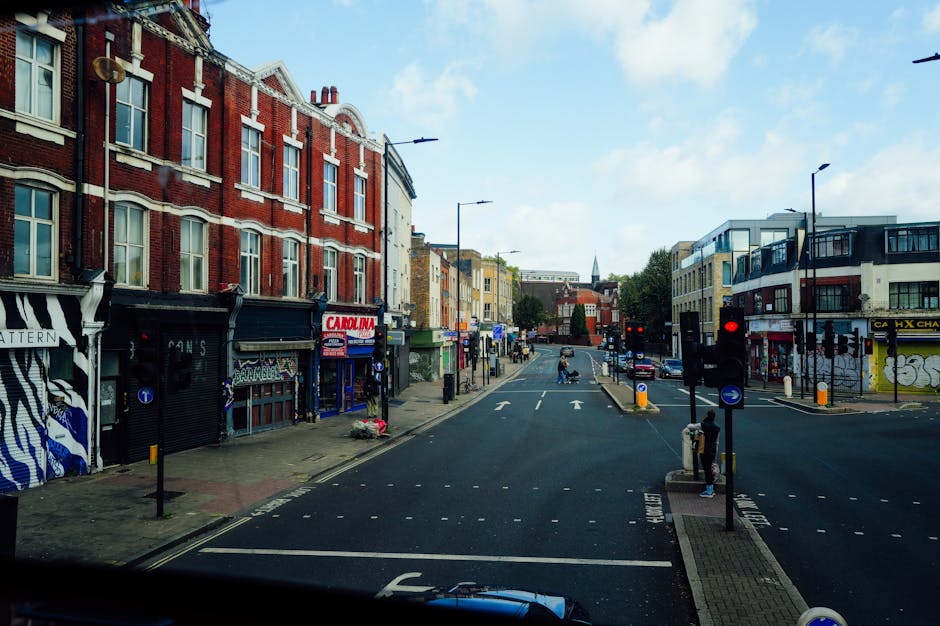
Why Moving guide Walworth Road to New Kent Road removals Matters
A move between Walworth Road and New Kent Road may look like a quick hop, but those small South London journeys can be the ones that catch people out. The roads are busy, loading windows can be tight, and the practical realities of apartment blocks, shared entrances, and one-way traffic often matter more than distance. A local move is not automatically an easy move. Odd, but true.
This is why a proper moving guide matters. It helps you think beyond the obvious "get stuff from A to B" part and focus on the things that actually slow people down: access at both ends, what time the van can park, whether your furniture will fit through the hallway, and how much help you really need. If you are only moving a few streets away, you might assume you can handle it on your own. Sometimes you can. Sometimes you very much cannot.
For many people, the stress comes from the mismatch between expectation and reality. There is often a moment, usually about halfway through packing, when the amount of bubble wrap, boxes, and loose cables suddenly feels unreasonable. That is usually the point where a good plan starts saving your sanity.
Walworth and the surrounding Elephant and Castle area also tend to mix older buildings with newer developments, which means moving conditions can vary wildly from one postcode to the next. One property might have easy ground-floor access, while the next has awkward stair turns, door codes, and a lift that seems to have a complicated relationship with your timetable. That variation is exactly why local knowledge helps.
Expert summary: the closer the move, the more important the details become. A short route does not reduce the need for planning; it simply changes the type of planning you need. Access, timing, and packing quality usually have a bigger impact than mileage.
How Moving guide Walworth Road to New Kent Road removals Works
In practical terms, this kind of move usually follows a simple pattern: assess the load, prepare the property, arrange transport, move items out safely, and unload at the destination in a way that avoids damage or delay. That sounds obvious enough, but the success of each stage depends on the details around it.
The first step is usually a quick inventory. What is going? What is staying? Are there any awkward items such as mirrors, desks, mattresses, large plants, or flat-pack furniture in bits? If you do not know the answer before move day, the move itself can become a bit of a guessing game. Nobody enjoys guessing with a double wardrobe in the hallway.
Next comes access planning. A removal van, a man and van setup, or a larger team may all work fine depending on the size of the move. The right approach often depends on how many trips are needed, whether there is easy parking, and how much lifting is involved. For a more detailed overview of local service types, take a look at services overview and man and van support.
On move day, items are usually loaded in a sensible order: heavy and stable pieces first, fragile things protected and kept separate, and essentials kept where they can be reached quickly. At the new property, unloading is just the reverse, though the real trick is placing items where they belong rather than creating a second pile in the living room. We have all seen that pile. It has a life of its own.
If you are moving a flat, the process may also involve stairs, lifts, or a building manager's rules about access times. If it is a house move, you may have a bit more room to work with, but you still need to think about parking, door widths, and protecting floors and walls. Either way, the principle is the same: fewer surprises means a smoother move.
Key Benefits and Practical Advantages
Planning this route carefully gives you more than just peace of mind. It can save time, reduce breakages, and make the day feel manageable instead of chaotic. Small local moves are especially suited to efficient planning because there is usually a chance to complete the job in a single run with the right vehicle and enough hands.
- Less wasted time: a well-planned route and loading order reduces back-and-forth.
- Better protection for belongings: proper packing and wrapping lowers the risk of chips, scratches, and smashed corners.
- Lower stress: having a clear process means fewer last-minute decisions.
- More predictable costs: clear scope and access details make pricing more straightforward.
- Safer handling: lifting techniques and the right equipment reduce injury risk.
There is also a practical advantage to using a local mover who understands the area. Elephant and Castle and the nearby streets can be busy at odd hours, and parking can change from one side of a road to the other. A team used to navigating central and south London conditions will usually work faster because they already know the kind of issues that come up. If you are comparing specialist help, man with a van in Elephant and Castle and removal van options are worth reviewing alongside your move size.
Another benefit is flexibility. Some moves need a quick hand with bulky items only, while others need packing help, dismantling, or temporary storage. If your dates are a bit messy, storage in Elephant and Castle can take pressure off the timetable. And if you are in a rush, you may want to consider same day removals, though availability naturally depends on timing and workload.
Who This Is For and When It Makes Sense
This move guide is useful for anyone relocating between these two South London streets, but it is especially relevant if your move has a few moving parts. That might mean a small flat with awkward access, a shared property with limited time windows, or a home move where you are trying to avoid taking a full day off work.
Students often need fast, affordable help for a lighter load. In that case, student removals in Elephant and Castle can be a sensible fit, especially when the main challenge is organisation rather than sheer volume. Flat movers, meanwhile, may care more about stair access, lift bookings, and protecting hallways. For that, flat removals support is often the better match.
Homeowners or renters with larger furniture needs may be better served by house removals, especially if the move includes beds, wardrobes, dining tables, or white goods. Office or studio moves are a different story again. They usually require tight scheduling, careful handling of equipment, and a lower tolerance for disruption, which is why office removals and broader removal services can be useful if you are moving work equipment or stock.
It also makes sense for anyone who simply wants the move to feel easier. That may sound a bit soft, but honestly, it is a valid reason. Not every decision has to be made on minimum cost alone. Sometimes the better choice is the one that saves your back, your time, and your mood.
Step-by-Step Guidance
Here is a practical way to handle the move without turning it into a drama. Keep it simple, but be methodical. That combination works surprisingly well.
- Confirm what is moving. Walk through the property and separate essentials, sell/donate items, and rubbish. If you have not used it in a year, ask yourself whether it really deserves a seat on the van.
- Measure the awkward things. Sofas, beds, tables, and wardrobes are the usual culprits. Check doorways, stair turns, and lift dimensions.
- Choose the right moving support. A small load may suit a man and van. Bigger, heavier, or more complex jobs may need a fuller removal team. If you want a broader view, see removals in Elephant and Castle and removal companies.
- Book parking and access where needed. Even short moves can stall if the van cannot stop safely. Check whether building rules, loading bays, or time limits apply.
- Pack room by room. Label boxes clearly and keep similar items together. Kitchen items in one pile, books in another, cables somewhere visible. You will thank yourself later.
- Protect fragile and bulky items. Use proper wrapping for glass, mirrors, screens, and furniture edges.
- Prepare an essentials box. Put kettle, chargers, meds, toilet paper, snacks, and basic tools in one easy-to-reach box. The first hour in a new place can feel strangely long without it.
- Load in a sensible order. Heavy and stable items go first, delicate items last, and anything you need immediately should stay accessible.
- Unload with a plan. Put boxes in the right rooms from the start. It is far easier than moving them twice.
- Check the property before locking up. Drawers, cupboards, meters, loft access, keys, and window catches are easy to forget when you are tired.
A small practical note: if you are moving during a busy weekday or near the end of the month, allow extra time. Those are usually the moments when traffic, parking, and building access all decide to become slightly more annoying than expected.
Expert Tips for Better Results
Over time, you learn that the smoothest moves are rarely the ones with the fanciest plans. They are the ones with good basics done early. Here are the things that consistently make a difference.
- Start packing early, but not wildly early. Two to three weeks ahead is often enough for a local move, unless you have a lot of non-essential items.
- Use the right box sizes. Small boxes for books and heavy items, larger boxes for lightweight household goods. Huge boxes packed with books are a recipe for regret.
- Keep screws and fittings with the furniture. Use labelled bags taped to the item or stored in a single clearly marked pouch.
- Take quick photos before dismantling. It helps when you rebuild furniture later. A little boring, very useful.
- Protect floors and doorframes. Cardboard runners, blankets, or careful handling can avoid those irritating scuffs that somehow stand out for weeks.
- Have one person managing decisions. Too many instructions at once makes move day messy. One lead person keeps things moving.
- Tell your mover about difficult access in advance. That includes tight staircases, limited parking, or any items that need two people to lift.
If you have a piano, large mirror, or awkward antique piece, mention it early. Special items need special handling, and it is much easier to plan for them than to improvise on the staircase. For that type of job, piano removals in Elephant and Castle and furniture removals support are worth considering.
One more thing. Do not overfill every box. It sounds efficient in theory and becomes a problem at the lifting stage. A box that is impossible to carry is not a well-packed box. It is just a very dense mistake.
![A street scene on Walworth Road near Elephant and Castle featuring a row of small, brick-fronted commercial buildings with large front windows and signage, some of which display retail businesses. In front of the buildings, there is a single lane of parked cars, including a black SUV with an open trunk, with several other vehicles parked along the curb. On the roadway, multiple vehicles are in motion, including two red double-decker buses and several smaller vehicles. The sidewalk has pedestrians walking, and some are near the entrances of the shops. Behind the buildings, there is scaffolding and construction work visible on a taller structure wrapped in white protective sheeting, indicating ongoing building renovation or development. The scene is set during daytime with natural lighting, and the environment overall reflects urban city life, typical for a busy shopping and transport corridor near Elephant and Castle, with [COMPANY_NAME] providing professional house and furniture removals in the area.](/pub/blogphoto/moving-guide-walworth-road-to-new-kent-road-removals2.jpg)
Common Mistakes to Avoid
Most moving headaches are preventable. They usually come from underestimating time, access, or the amount of stuff you own. Happens all the time.
1. Leaving packing until the night before. That almost always leads to rushed labelling, poor wrapping, and stress. You end up packing half-used toiletries and random drawers together, which is never a proud moment.
2. Forgetting about parking. A vehicle that cannot legally or safely stop close to the property can turn a straightforward move into a long carry job. On a wet London day, that gets old very quickly.
3. Not measuring bulky furniture. A sofa that fits in the old place may not fit the new hallway angle. Measure first, then move. It is basic but people skip it more often than you would expect.
4. Mixing essentials with everything else. Keep key items separate so you are not searching through ten boxes for a phone charger or the kettle lead.
5. Choosing a vehicle that is too small. Too many trips can cost more time and energy than using the right-sized van from the start. If you are unsure, compare options through removal van support.
6. Ignoring building rules. Some properties require advance notice for lifts, service entrances, or loading times. Ignoring that can lead to delays that nobody wants.
7. Skipping insurance questions. If you are moving items of value, ask what cover is included and what is not. Better to ask plainly than assume.
Tools, Resources and Recommendations
You do not need a warehouse of equipment to move well. A few sensible tools make a big difference though.
- Strong cardboard boxes: use a mix of small, medium, and wardrobe boxes where helpful.
- Packing tape and tape gun: faster and cleaner than fighting with the loose roll every ten minutes.
- Bubble wrap or paper wrap: useful for glassware, lamps, and ornaments.
- Furniture blankets: helps with sofas, table tops, and wood finishes.
- Marker pens and labels: simple, but absolutely worth it.
- Tools for dismantling: screwdrivers, Allen keys, and a small pouch for fixings.
- Trolley or dolly: handy for heavier loads if your mover is not already bringing one.
In terms of service recommendations, think in layers. If you only need help moving a few items, a lighter service may be enough. If you want a fuller solution, look at man and van in Elephant and Castle, removal services, or the broader services overview to match your job properly.
If you are trying to save time on the front end, packing help can be a smart investment. A well-packed move tends to be a calmer move. Simple as that. And if you want to avoid paying for the wrong level of service, asking for a detailed quote is far better than making assumptions. See pricing and quotes for a sensible place to start.
Law, Compliance, Standards, or Best Practice
For most residential moves, there is no complicated legal process you need to master, but there are still important standards and best practices to keep in mind. A reputable removals provider should work safely, communicate clearly, and handle your belongings in line with normal UK expectations for care and professionalism.
Health and safety matters most when lifting heavy items, moving through tight spaces, or working around stairs and traffic. That means proper manual handling, sensible load limits, and clear awareness of hazards like wet floors, loose cables, or awkward furniture edges. If you want reassurance about working practices, health and safety policy and insurance and safety are useful pages to review.
Insurance is another point worth handling carefully. It is sensible to ask what level of cover is included, what items may need special handling, and how claims are dealt with if anything is damaged. That does not mean expecting problems. It just means being sensible. The calm way is the smart way.
If you are dealing with disposal, re-use, or unwanted furniture, responsible handling is also part of best practice. Good movers should be able to explain how they approach recycling or waste minimisation. You can also review recycling and sustainability to understand the general approach.
For payment, security, and terms, clarity matters. Ask what is included, what counts as extra work, and how changes are handled if access or timing changes on the day. You do not need legalese; you need plain English and a fair process. That should not be too much to ask.
Options, Methods, or Comparison Table
Choosing the right moving method depends on the size of your load, how much help you need, and how quickly the job must be done. Here is a simple comparison that may help.
| Option | Best for | Strengths | Watch-outs |
|---|---|---|---|
| DIY van hire | Very small moves with flexible timing | Can feel cheaper upfront; full control over packing and loading | You do the lifting, planning, driving, and parking |
| Man and van | Light to medium local moves | Good balance of cost, flexibility, and help with lifting | May not suit large household moves or very tight schedules |
| Full removals team | Large homes, awkward access, or heavier furniture | More support, better for bulky items, less strain on you | Usually costs more, but often saves time and hassle |
| Same-day removals | Urgent or short-notice moves | Fast response and practical for deadline pressure | Availability can be limited and planning time is shorter |
| Storage plus moving | Staggered moves or delayed handovers | Flexible if completion dates do not line up neatly | Extra coordination needed |
If you are not sure which method suits you, start with the size of the job and the level of lifting involved. That usually tells the truth pretty quickly. A tiny studio move and a two-bedroom family move are not the same animal, even if they are only a few streets apart.
Case Study or Real-World Example
Consider a typical local move: a tenant moving from a one-bedroom flat on Walworth Road to a new apartment on New Kent Road. The job includes a bed frame, mattress, sofa, desk, TV, kitchen boxes, and a few fragile pieces. Nothing outrageous, but enough that a vague plan would get messy fast.
In a well-managed version of the move, the tenant starts packing five days in advance, labels every box by room, and keeps an essentials box separate. The mover is told about access at both ends, including a shared entrance and limited stopping space. Bulky furniture is measured before the move, and the desk is dismantled the night before. The result? The move stays compact, the loading is efficient, and the new place is set up without the usual afternoon scramble for chargers and teabags.
Now compare that to the less organised version. Boxes are half-packed. The mattress has nowhere to go because the old bed frame was not dismantled. There is no clear parking plan, so the van stops farther away. The essentials are mixed into random boxes, and someone is still looking for the router at 9pm. Same route, same streets, very different experience. The difference is almost always planning, not luck.
This is where a local service can really help. If the move includes bulky items or tight stair access, furniture removals and house removals can make the whole thing feel less like a puzzle. If timing is urgent, same day removals might be worth asking about.
Practical Checklist
Use this checklist in the final week before the move. It keeps things grounded and stops the last-minute panic from spreading.
- Confirm moving date and time.
- Check access at both addresses.
- Measure doorways, stairs, and lifts for large items.
- Book or confirm parking arrangements where needed.
- Finish packing non-essential items first.
- Label every box clearly by room.
- Pack a separate essentials box.
- Disassemble furniture that will not fit safely as one piece.
- Protect fragile items with wrap or padding.
- Keep important documents and keys with you.
- Confirm payment method and any included insurance details.
- Set aside a clear path for loading and unloading.
- Take meter readings if relevant.
- Do a final sweep for cupboards, loft spaces, and sockets.
- Rest the night before if you can. Seriously. A half-decent sleep helps more than people admit.
If you are still deciding on the right setup, it may help to review removal companies in Elephant and Castle alongside man with a van options so you can match the service to the size of the move rather than guessing.
Get a free quote today and see how much you can save.
Conclusion
Moving from Walworth Road to New Kent Road is not a grand cross-country relocation, but that does not make it simple. In many ways, local moves are more dependent on details: access, timing, packing, and the right kind of help. Get those right, and the whole day becomes lighter. Miss them, and even a short journey can feel far longer than it should.
The best approach is to stay practical. Pack in stages, measure the awkward pieces, choose the right moving support, and keep your essentials close. If you need extra help, make sure the service matches the actual job rather than the job you wish you had. That distinction saves a lot of grief.
And once it is done, there is a really lovely moment when the boxes are stacked neatly, the kettle is on, and the new place starts to feel like yours. Small win, but a good one.
For more local context, you may also find it useful to read about local tips for residing in Elephant and Castle or explore the broader guide to Elephant and Castle before you settle in.