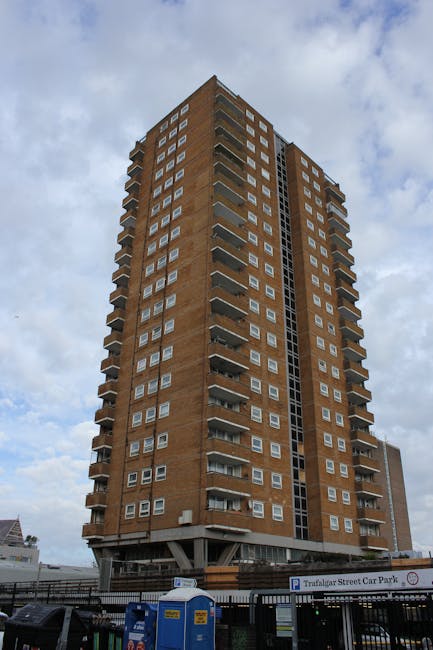
Small flat removals near Elephant and Castle station
Posted on 30/06/2026
Moving out of a small flat near Elephant and Castle station can feel deceptively simple right up until the first box has to come down a narrow stairwell, past a lift that is already full, and into a van waiting in traffic on a busy South London road. That is usually the moment people realise the job is not about size alone. It is about timing, access, packing, parking, and keeping the whole thing calm enough that you can still find your kettle at the other end.
This guide is written for exactly that kind of move. If you are planning Small flat removals near Elephant and Castle station, you will find clear advice on how the process works, what makes local moves different, how to avoid common headaches, and when it makes sense to use a specialist service such as flat removals in Elephant and Castle or a flexible man and van in Elephant and Castle. We will also cover practical planning, safety, compliance, and a realistic example so you can move with fewer surprises. Simple enough on paper. In real life, a bit more nuanced.
Why Small flat removals near Elephant and Castle station Matters
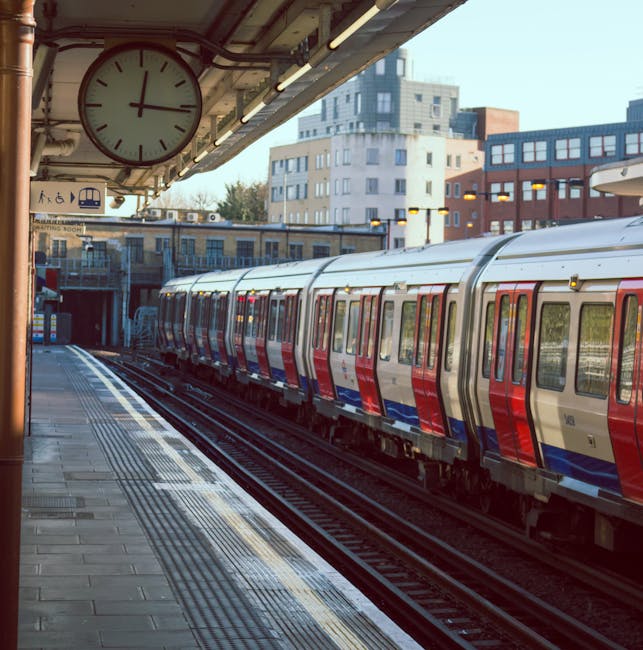
Elephant and Castle is one of those London locations where the geography of the move matters as much as the move itself. Station proximity is convenient for you, but it often means busier roads, tighter loading windows, more foot traffic, and buildings that were not designed with easy unloading in mind. For a small flat, that can create a strange contrast: less furniture overall, yet more friction on moving day.
Small flat removals are especially sensitive to access. A one-bedroom apartment with a sofa, bed frame, desk, dining chairs, and boxed belongings can still take coordination if the lift is shared, the hallway is narrow, or the van cannot stop directly outside. To be fair, most of the stress comes from the little things rather than the volume. A missing parking space. A bad lift booking. A box that was packed too heavy. That sort of thing.
If you are moving from or to a flat near the station, you also need to think about local timing. Morning congestion, school runs, delivery vehicles, and construction activity can all affect how smoothly the day goes. In our experience, people who treat the move as a logistics task rather than a quick transport job usually have a much calmer experience.
It is also worth understanding the wider area context. Elephant and Castle attracts renters, students, professionals, and people moving between flats fairly often, which means there is strong demand for efficient, short-notice, and well-organised support. If you want a deeper sense of the area itself, the local guide on Elephant and Castle as a London neighbourhood is a useful companion read.
How Small flat removals near Elephant and Castle station Works
At its simplest, the process is about matching the right vehicle, time slot, and manpower to a compact move. But the best local removals are usually more structured than people expect. A good plan often starts with an inventory, then access checks, then packing, then booking the vehicle, and finally a controlled loading and unloading sequence.
Typical workflow
- Assess the contents. Note large items, fragile pieces, and anything awkward such as mirrors, bikes, or modular shelving.
- Check access. Stair count, lift size, parking restrictions, and whether a trolley can be used safely all matter.
- Choose the right vehicle. For smaller moves, a compact van or a man and van option is often enough.
- Pack in a sensible order. Heavy items at the bottom, fragile items clearly marked, and essentials kept separate.
- Load strategically. Large furniture first, boxes next, delicate items last and secured properly.
- Unload and place items. A tidy placement plan saves a lot of back-and-forth once you arrive.
That all sounds neat, and sometimes it is. But flat moves near transport hubs can change quickly. A lift may stop working. Building staff may need notice. A parking bay may be occupied when you arrive. The real skill is not just moving objects; it is keeping the move flexible enough to absorb small disruptions without turning the day into a saga.
If your move is unusually time-sensitive, you might also consider a same-day service. For last-minute situations, same-day removals in Elephant and Castle can be a practical option, especially for simple flat moves with fewer items.
Key Benefits and Practical Advantages
There are clear reasons why small flat removals are often best handled with local knowledge. Speed is one. Lower cost is another. But the biggest advantage is usually control. The more compact the move, the more you can optimise it around access, timing, and minimal disruption.
- Less wasted time. A local team can plan around station traffic and access points more effectively.
- Better vehicle fit. You do not always need a large lorry for a studio or one-bedroom flat.
- Lower handling risk. Fewer trips, shorter carries, and a more direct loading pattern can reduce damage.
- More flexibility. Small moves are easier to reschedule, split, or combine with packing support.
- Less disruption to neighbours. A quick, tidy move is friendlier in apartment blocks where shared space matters.
There is also a practical money angle. Smaller moves are often easier to price transparently because the requirements are more visible: size of load, distance, stairs, packing needs, and timing. If you want to understand how quotes are usually built, the page on pricing and quotes explains the kind of factors that tend to shape the final figure.
And yes, moving small can still be exhausting. That part does not disappear. But done properly, it becomes manageable rather than chaotic, which is really the goal, isn't it?
Who This Is For and When It Makes Sense
Small flat removals near Elephant and Castle station are a strong fit for people with limited furniture, short deadlines, or straightforward access needs. The usual profile includes tenants leaving a studio or one-bedroom flat, couples upgrading to a larger place, students moving between term-time homes, and professionals relocating within central or south London.
It also makes sense if you only need help with the heavy lifting. Plenty of people are perfectly happy to pack their own boxes but need someone else to shift the bed base, sofa, washing machine, or desk down three flights of stairs. That is not laziness. It is sensible planning.
Here are a few situations where this type of service is especially useful:
- You live in a building with limited parking or shared access.
- Your move-out window is short, perhaps between tenancies.
- You have just a few bulky items and a lot of boxed belongings.
- You want the move handled by a local team familiar with the area.
- You need storage, packing help, or a quick turnaround.
If your move is part of a broader relocation, it may be worth comparing the small-flat approach with the wider removal services in Elephant and Castle or even full removals in Elephant and Castle if you are dealing with more furniture than you first thought. Happens all the time.
Step-by-Step Guidance
If you want the move to feel organised rather than improvised, follow a simple sequence. It is not glamorous, but it works.
1. Confirm what is moving
Make a quick list of furniture and boxes. Measure anything awkward, like wardrobes, mattresses, large TVs, or shelves. If it will not fit through a standard doorway easily, say so early. There is nothing worse than discovering a problem after the van has arrived and everyone is already sweating a bit.
2. Check building access
Ask about lifts, loading bays, stairwells, concierge rules, and any restrictions on moving times. If your building needs advance notice, give it. If you are moving from a block near the station, remember that the most inconvenient thing is often not the distance but the access process.
3. Pack by priority
Keep essentials separate: medication, chargers, documents, toiletries, and a kettle if you are particularly attached to tea. Label boxes clearly. One word labels like "kitchen" are fine, but "kitchen - mugs and plates" is much better when you are tired at the other end.
4. Reserve the right support level
For a light move, a man with a van in Elephant and Castle may be enough. If you need stronger loading support, more careful handling, or extra protection for larger items, look at a dedicated removal van in Elephant and Castle or a more full-service setup.
5. Protect fragile items
Wrap glass, lamps, and framed prints properly. Use sturdy boxes and avoid overpacking. A box that looks neat but is too heavy becomes awkward very quickly. You do not want a cardboard betrayal halfway down the stairs.
6. Load in sequence
The largest items usually go in first, then sturdy boxes, then fragile items that need stable placement. A good loading order cuts down on shifting during transit, which helps protect both the goods and the van interior.
7. Do a final flat sweep
Check cupboards, under beds, behind doors, and inside the freezer. You would be amazed how often a charging cable or important document gets left behind because it was tucked into some harmless-looking corner.
Expert Tips for Better Results
Small flat moves reward preparation more than brute force. Here are the tips that genuinely make a difference.
- Book a realistic time slot. Early morning often works well, but only if your building and parking situation support it.
- Pre-dismantle furniture where possible. Beds and tables move more cleanly when the bulky parts are separated in advance.
- Use uniform box sizes. They stack better and make loading easier.
- Keep a "first night" bag. Include basics so you are not hunting for toothpaste at 11pm.
- Take photos of electronics. Cable photos save time when reconnecting things later.
- Tell the mover about access quirks. Low ceilings, awkward turns, or a tiny lift should never be a surprise.
One local tip that helps a lot is to plan around footfall near the station. Even if the distance to your flat is short, a few minutes of congestion at the wrong time can throw off a tight schedule. If you can avoid the busiest stretch, do it. Small difference, big impact.
And if you have bulky furniture to move, a specialised page like furniture removals in Elephant and Castle can be a useful starting point for understanding the level of care needed for heavier items.
Common Mistakes to Avoid
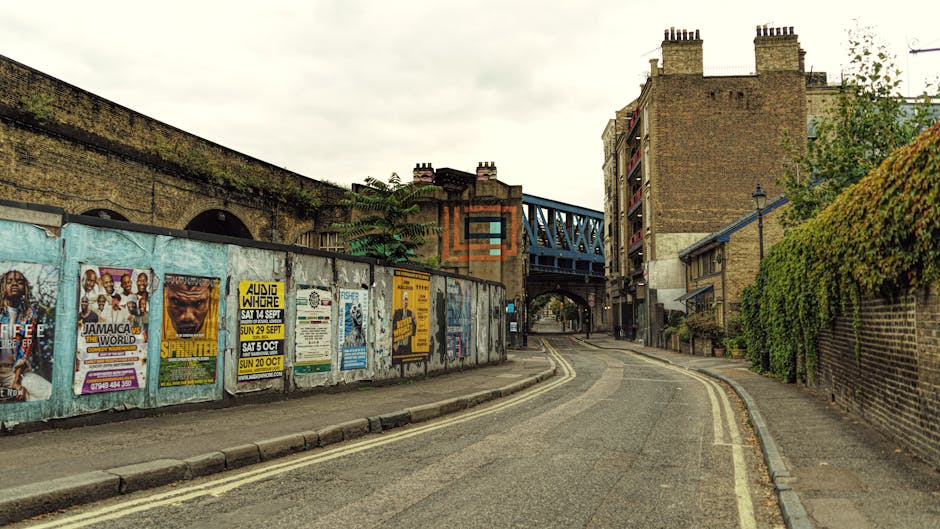
Most moving problems are predictable. That is the frustrating part. The good news is that they are also avoidable if you know where the traps are.
- Underestimating access issues. A short distance on a map can still mean a difficult carry.
- Packing boxes too heavy. Books and kitchenware can become absurdly weighty very quickly.
- Leaving parking until the last minute. This is one of the biggest causes of avoidable delays.
- Not booking enough help. A one-person load plan can become a two-person job fast.
- Forgetting to protect breakables. Blankets and bubble wrap are not fancy, but they work.
- Ignoring building rules. Concierge access, lift reservations, and loading restrictions are not optional extras.
Another common issue is failing to decide what is worth moving at all. Small flats often hide old furniture that costs more to move than replace. Be honest about it. If the wardrobe is already wobbling and the shelf has seen better decades, maybe it is time to part ways.
If you are unsure whether a move is genuinely small or edging into something more involved, the broader services overview is a sensible place to compare options without overcommitting.
Tools, Resources and Recommendations
You do not need a warehouse of gear to move a small flat, but a few reliable tools make the day much easier. Even if your move is mostly handled by professionals, it helps to understand what good preparation looks like.
| Tool or resource | Why it helps | Best for |
|---|---|---|
| Sturdy double-walled boxes | Hold weight better and reduce the chance of collapse | Books, kitchenware, and mixed household items |
| Packing tape and labels | Keeps boxes sealed and easy to sort | All room categories |
| Furniture blankets | Protect wood, metal, and painted surfaces from scuffs | Sofas, tables, desks, drawers |
| Mattress cover | Helps keep bedding clean and dry in transit | Mattresses and bed bases |
| Hand trolley or sack truck | Reduces strain and speeds up short carries | Heavier boxes and appliances |
| Inventory list | Makes it easier to check nothing is missing | Small and larger flat moves alike |
For packing support, the page on packing and boxes in Elephant and Castle is a useful reference if you want help getting the materials right from the start. If you need somewhere temporary for overflow items, storage in Elephant and Castle can also make the move feel less cluttered.
One more practical recommendation: keep a small toolkit with Allen keys, scissors, a marker pen, and a phone charger in a separate bag. The day always seems smoother when those are easy to grab. Always.
Law, Compliance, Standards, or Best Practice
For most small flat removals, the key compliance issues are practical rather than legal drama. You are mainly dealing with property access rules, safe handling, vehicle loading, and insurance awareness. In a busy London setting, those basics matter a lot.
Good practice usually includes confirming that the moving vehicle is allowed to stop or load where intended, checking any building restrictions in advance, and making sure fragile or valuable items are packed appropriately. If the move involves stairs, heavy furniture, or awkward lifting, safe handling becomes essential. That means not overreaching, not rushing the lift, and not pretending a sofa is lighter than it is. We have all seen that scene. It rarely ends well.
It is also sensible to work with a provider that takes safety seriously, has a clear complaints process, and is transparent about terms and conditions. For peace of mind, pages such as insurance and safety, health and safety policy, and terms and conditions can help you understand how a reputable service frames its responsibilities.
If you are planning a move with sensitive items or just want extra reassurance about handling standards, it is perfectly reasonable to ask about how the team protects furniture, lifts items, and manages damage prevention. That is not being awkward. That is being sensible.
Options, Methods, or Comparison Table
There is no single right way to handle a small flat move near the station. The best choice depends on how much you own, how much access you have, and how much time you want to spend doing the heavy lifting yourself.
| Option | Best for | Pros | Trade-offs |
|---|---|---|---|
| Man and van | Light to moderate flat moves | Flexible, often efficient, good for short distances | May not suit large or complex loads |
| Dedicated flat removals | Small flats with furniture and multiple boxes | More structured, better for access challenges | Can be more involved than a very simple van job |
| Full removal service | Moves with packing, dismantling, or storage needs | Most support, least personal labour | Usually more comprehensive than necessary for tiny moves |
| DIY hire and self-load | Very light moves and confident packers | More control over timing | Higher physical effort and more risk of mistakes |
For a lot of small flats near Elephant and Castle station, the middle ground works best: enough help to avoid stress, but not so much that you are paying for capacity you will never use. If your move sits somewhere between "a few boxes" and "a proper event", a tailored option from man and van services or a more specific removal van can be the sweet spot.
Case Study or Real-World Example
Here is a realistic example based on the sort of small flat move people often make in this part of London. A tenant is leaving a one-bedroom flat a short walk from the station. The property includes a bed frame, mattress, two-seater sofa, desk, TV, coffee table, and about eighteen boxes. Nothing outrageous, but enough to make lifting and access matter.
The first challenge is the building itself. There is a lift, but it is small and shared. The second challenge is parking: the road is active by mid-morning, and the loading space is not guaranteed. Rather than trying to do everything in one rushed burst, the move is broken into a clear sequence. Fragile items are packed the day before, furniture is dismantled early, and a van is booked with enough time to cope with a possible delay. Good call, because the lift is busy when the team arrives.
The result is not dramatic. And that is exactly the point. Boxes are carried out in manageable batches, the sofa is protected and loaded first, and the final flat sweep catches a lamp cable and a set of keys that would have been annoying to replace. A small thing, but those small things are what make or break a move.
If the tenant had more items or needed a deeper reset between homes, the move could also have been paired with storage or packing support. For students and lighter renters, the dedicated student removals in Elephant and Castle page is another relevant comparison point, especially when budgets are tight and timelines are a bit messy.
Practical Checklist
Use this checklist a day or two before your move. It keeps the boring mistakes away, which is the real win.
- Confirm move date, time, and access details.
- Check whether the lift needs to be booked in advance.
- Reserve parking or identify the nearest practical loading point.
- Pack fragile items separately and label them clearly.
- Dismantle furniture where possible.
- Keep essentials in one easy-to-reach bag.
- Measure larger items against doorways and stair turns.
- Notify neighbours or building management if required.
- Set aside tape, markers, and basic tools.
- Do a final check of cupboards, storage spaces, and appliances.
Expert summary: the best small flat moves near Elephant and Castle station are the ones that respect access, timing, and packing discipline. If you control those three things, the rest is much easier. Not always easy, but easier.
Get a free quote today and see how much you can save.
Conclusion
Small flat removals near Elephant and Castle station are rarely about brute strength. They are about smart planning, realistic packing, and choosing a moving method that fits the building, the street, and your own schedule. When you get those basics right, the whole experience becomes far less stressful than people expect.
That is especially true in a busy area like this, where a short journey can still involve awkward access, tight loading windows, and a fair bit of human coordination. The good news is that none of that is unmanageable. A little preparation goes a long way, and a good local service can make a genuinely noticeable difference.
So if you are staring at a small pile of boxes and one heavy sofa and wondering where on earth to start, start with a plan. It does not have to be perfect. It just has to be clear enough to get you moving, one sensible step at a time.