Commercial Moves in Elephant And Castle
Moving a business in Elephant And Castle takes careful planning, local know-how, and a team that understands how busy South London works. Whether you are relocating a small office, shifting a retail unit, moving stock from a warehouse-style premises, or coordinating a multi-floor commercial move, the right support can make the difference between a smooth transition and a stressful disruption.
Elephant And Castle is a vibrant, changing part of London with a mix of modern developments, older commercial buildings, public transport links, and busy roads. That means commercial moves in Elephant And Castle often need extra attention to access, timing, parking, loading restrictions, lift use, building management rules, and the needs of neighbours, staff, and customers. A local service is useful because it can adapt to these realities rather than treating every move like a standard office relocation.
If you are looking for a practical, reliable way to move business premises in the area, this page explains what is included, how the process works, what affects costs, how to prepare, and why local experience matters. It is written for real customers who want clarity before they book a service or request a quote.
Why commercial removals in Elephant And Castle need local planning

Commercial removals in Elephant And Castle are rarely simple “pick up and deliver†jobs. The area has a mix of office suites, managed workspaces, retail units, hospitality venues, medical and professional premises, and apartments with commercial elements below or beside them. That variety creates different rules and different access needs. A business moving from a building near the transport interchange will often face heavier foot traffic and tighter loading windows than a company relocating from a quieter side street.
Local planning matters because timing is everything. Many businesses want to reduce downtime by moving outside peak trading hours, at weekends, or in carefully coordinated phases. A team that already understands the area can plan around road congestion, service lifts, restricted bays, and the practical realities of working near busy routes into central London. For customers, that can mean a move that feels more organised and less disruptive.
There is also the issue of building rules. Some commercial properties in Elephant And Castle have management requirements for lift bookings, floor protection, security check-in, or permit access. Others sit in mixed-use developments where noise and shared spaces must be managed with care. A local commercial moving team can help you think through these details before move day, not after problems appear.
Who our commercial moving services are for
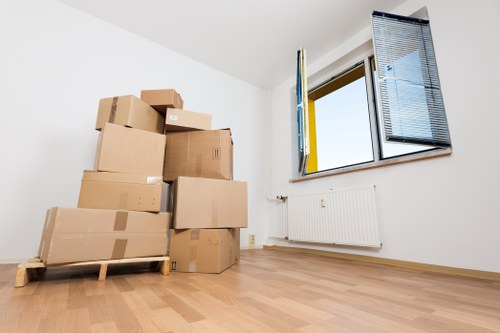
Businesses across Elephant And Castle and nearby parts of Southwark often need flexible relocation support. Commercial moving services are suitable for a wide range of customers, including small firms and larger operations. Some customers need a full-service move, while others only need help with heavy lifting, transport, or a phased transfer of furniture and equipment.
Typical customers include:
- Offices relocating between floors or to a new site
- Shops and retail units moving stock, shelving, and display items
- Cafés, bars, and hospitality businesses changing premises
- Studios and creative workplaces with equipment and archives
- Clinics, professional practices, and consultation spaces
- Storage units, small depots, and back-office operations
- Landlords, managing agents, and fit-out teams needing furniture or waste moved
Commercial moving is not just about transport. It is about keeping business assets safe, protecting equipment, coordinating staff access, and making sure your operation can start again as quickly as possible. That is why many businesses prefer a service that is used to handling office furniture, IT items, documents, stock, and specialist items with equal care.
Whether you are moving a single department or an entire business unit, the same principle applies: the service should fit your timeline, your building, and your operational priorities.
What is included in a commercial move

A well-organised commercial move usually includes more than transport alone. The exact service depends on the size and type of business, but customers generally want support that reduces pressure before, during, and after relocation. A good service should be structured enough to cover the essentials while still being flexible enough to suit the job.
Commonly included elements are:
- Pre-move planning and job assessment
- Loading and unloading by trained movers
- Transport of furniture, boxes, stock, and equipment
- Protection for fragile or high-value items
- Dismantling and reassembly of office furniture where required
- Coordination with building access or time restrictions
- Careful handling of archived files and confidential materials
- Placement of items in the new premises according to your plan
Some businesses also request support with packing, labelling, crate hire, temporary storage, or weekend moves to reduce disruption. Others need help with specialist items such as screens, printers, POS equipment, workshop items, or trade tools. It is worth discussing the full scope early so the move can be matched to your actual requirements.
For many local customers, the real benefit is not only lifting and transport, but having one joined-up process that keeps the move under control from start to finish.
How commercial moves in Elephant And Castle usually work

The best way to approach a business relocation is step by step. A structured process helps prevent delays, confusion, and damage. It also makes it easier for staff to know what they need to do and when.
1. Initial discussion and site understanding
The first stage is usually a conversation about the size of the move, the type of premises, what needs to be taken, and any time pressures. In Elephant And Castle, this often includes questions about building access, parking, lifts, loading points, and whether the property is on a busy road, in a managed development, or inside a shared commercial space.
2. Planning and scheduling
Once the basics are clear, the move is scheduled to suit your business. Some customers need an early start before opening hours, while others prefer evening or weekend work. Planning may also involve separating items into priority loads so that essential workstations, stock, or equipment are ready first at the new site.
3. Packing and preparation
If packing is included, materials are organised and items are labelled so they can be identified quickly at the destination. If you are packing yourself, clear instructions can help your staff prepare in a way that supports safe handling and efficient loading.
4. Move day execution
On the day of the move, the team loads the items carefully, protects furniture and fragile items, and transports everything to the new premises. Good communication is important, especially if access at either location is limited or shared with other tenants.
5. Delivery and placement
After arrival, items are placed in the right rooms or zones, based on the agreed layout. This helps reduce confusion once your team starts unpacking or setting up operations again.
Local challenges in Elephant And Castle that affect business moves

Every part of London has its own moving challenges, and Elephant And Castle is no exception. Customers here often need a service that can handle urban conditions without making a fuss. That means knowing how to work around a busy transport hub, varied street layouts, construction activity, and commercial buildings with limited vehicle access.
Access and parking
Parking can be tight, especially near major roads or during busy periods. A commercial mover familiar with the area will think about loading options, short-stay arrangements, and how to keep loading times efficient. If a lorry cannot park right outside, the team should still know how to move goods safely over the shortest practical distance.
Mixed-use buildings
Many business premises in the area are part of mixed-use developments, where offices, retail spaces, and residential units may share entrances or circulation areas. In those buildings, timing, noise control, and clean handling become especially important. Using the right equipment, floor coverings, and moving method helps reduce disruption to others in the building.
Busy streets and delivery windows
Urban roads can create bottlenecks, especially when there are ongoing works or heavy traffic at peak times. That is why local movers often recommend scheduling the largest loading and unloading tasks at quieter times where possible. This can help your move run more smoothly and reduce the risk of delays.
In a place like Elephant And Castle, local experience is not a luxury; it is a practical advantage. It helps the move fit the environment instead of fighting against it.
Benefits of choosing a local commercial moving company
Many businesses compare moving services by price alone, but value is often found in the way the job is handled. A local company can bring practical benefits that matter on move day and in the planning stages too.
- Better local understanding: Familiarity with roads, access points, and building types can save time.
- More realistic scheduling: Local teams may be better placed to offer move times that suit busy businesses.
- Flexible support: Smaller or mixed-size jobs can be handled without unnecessary complexity.
- Reduced disruption: Efficient loading, planning, and communication help keep downtime manageable.
- Relevant experience: Local movers often work with offices, shops, and service businesses similar to yours.
- Practical problem-solving: If access is difficult, a local team is more likely to know how to adapt.
For businesses in Elephant And Castle, convenience also matters. When your team is trying to keep operations running, it helps to work with people who understand the area and can react quickly if plans need to be adjusted.
A local commercial move is about more than distance. It is about efficiency, reliability, and reducing interruption to your day-to-day business.
Preparation checklist for a business move
Good preparation makes every commercial move easier. The more organised your staff are before move day, the less time is spent on avoidable delays. You do not need to do everything yourself, but clear preparation can significantly improve the outcome.
Before the move
- Confirm your moving date and access times
- Tell staff what they need to pack and when
- Back up data and secure sensitive files
- Label workstations, boxes, and equipment clearly
- Separate items that need special handling
- Check building rules for lifts, loading, and security
- Identify anything that must be moved first or last
On the day
- Keep one main contact person available
- Make sure pathways and loading areas are clear
- Protect important documents and devices
- Check keys, access codes, and entry arrangements
- Have a plan for waste, recycling, and unwanted items
After arrival
- Direct furniture and boxes to the right areas
- Check essential equipment is in place
- Set up priority workstations first
- Confirm any items needing follow-up handling
If your move includes office equipment, technology, or confidential materials, it is sensible to plan even more carefully. The goal is not just to move everything; it is to keep your business ready to operate.
Pricing factors for commercial moves
Customers often want to know what influences the cost of a business relocation. Exact prices vary from job to job, but most commercial moving quotes are shaped by a similar set of factors. Understanding them helps you request a more accurate estimate and compare services sensibly.
Common pricing factors include:
- Size of the move: More furniture, stock, and equipment usually means more labour and transport time.
- Distance: The route between premises affects travel and scheduling.
- Access conditions: Stairs, lifts, narrow entrances, or difficult parking can increase the time needed.
- Timing: Out-of-hours, weekend, or phased moves may require a different setup.
- Packing requirements: If packing materials or packing labour are included, the scope changes.
- Special items: Heavy, fragile, or specialist items may need extra care or equipment.
- Storage needs: Temporary storage can be useful if your new premises are not ready at the same time.
When requesting a quote, it helps to be as clear as possible about what needs moving, how many floors are involved, whether parking is straightforward, and whether you want a full service or only transport and loading. The more accurate the information, the more useful the quote will be.
If you are comparing options for commercial moves in Elephant And Castle, look beyond the headline figure. Consider the level of support, the clarity of the plan, and whether the company understands the practical conditions of your premises.
Types of commercial premises we commonly help with
Different businesses need different moving approaches. A well-run local team should be comfortable handling a variety of property types, especially in an area as mixed as Elephant And Castle.
Offices and shared workspaces
Office moves often involve desks, chairs, monitors, filing cabinets, meeting room furniture, and IT items. Many also need coordination across departments so staff can get back to work quickly. In shared workspaces, timing and access control are especially important.
Retail units
Shops and small retail businesses may need shelving, display units, stock, till points, storage items, and back-of-house furniture moved efficiently. Minimising disruption can matter a great deal if you are trading around the relocation.
Hospitality premises
Cafés, restaurants, and bars often have furniture, service items, storage stock, and equipment that need careful handling. Some items may also be awkward in shape or weight, so a methodical approach is essential.
Professional and service-based businesses
Clinics, agencies, consultancies, and other service businesses usually care about confidentiality, presentation, and getting staff settled quickly. Their move plans often need to be tidy, organised, and carefully timed.
Light industrial and storage-related premises
Where a business has stock, tools, or equipment in a light industrial unit or storage environment, a commercial move may involve heavier lifting and more robust handling. This is where planning and the right moving equipment make a real difference.
How to choose the right service for your move
Choosing a commercial moving company should feel straightforward, not rushed. The best service for your business is one that understands your priorities and can explain how the move will be carried out. Good questions to ask include:
- Do you handle office, retail, and mixed commercial moves?
- Can you work around restricted access or specific time windows?
- How do you protect furniture, floors, and fragile items?
- Can the move be done in stages if needed?
- What should we prepare before move day?
- Can you help with packing, dismantling, or reassembly?
You should also think about communication. A reliable service should be able to explain what is included, what is not included, and what information it needs from you to provide an accurate quote. That transparency is especially important when business continuity matters.
Contact us today to discuss your premises, your timeframe, and the kind of support you need for a smooth commercial relocation in Elephant And Castle.
Areas covered around Elephant And Castle
Businesses in Elephant And Castle often need moving support across nearby parts of South London and central London corridors. Local commercial movers commonly work with customers in surrounding areas such as Walworth, Kennington, Borough, Southwark, Lambeth, Waterloo, and other nearby business districts where access and timing may vary from street to street.
That wider local coverage is helpful if your business is moving between nearby premises, shifting stock to a storage facility, or coordinating with a second location. It also means the service can suit customers who are not moving far but still want professional handling, especially where parking, loading, or building access is not simple.
For many customers, the best moving support is not the one that promises the most, but the one that understands the local environment and works efficiently within it. That is particularly true for businesses operating near busy transport connections and mixed-use developments.
Frequently asked questions
How far in advance should I book a commercial move?
As early as possible is usually best, especially if you need a weekend slot, have a large office, or require move coordination around building rules. If your move is smaller or more flexible, there may still be short-notice options, but planning ahead usually gives you more choice.
Can you move us outside business hours?
Many commercial customers prefer early morning, evening, or weekend moves to reduce disruption. Availability depends on the job and the schedule, so it is worth discussing timing during the quote stage.
What should we do with confidential documents?
Confidential files should be sorted before move day and clearly managed by your team. If required, ask about secure handling arrangements so sensitive materials are kept separate and easy to identify.
Can a commercial move be done in phases?
Yes. Phased moves are often useful for businesses that need to stay operational while relocating. You might move key departments first and less urgent items later, or split the move over more than one day.
What if parking or loading is difficult?
This is common in urban areas, including Elephant And Castle. The key is to mention access challenges early so the move can be planned appropriately. A local team can then account for loading distances, lift use, and timing.
Do you move office furniture and equipment as well as boxes?
Yes, commercial moves often involve a mix of items: desks, chairs, cabinets, shelves, boxes, IT equipment, and other workplace essentials. If there are especially fragile or bulky items, let the mover know in advance.
Will you place items in the correct rooms at the new premises?
That is usually part of a well-organised move. A clear floor plan or room list helps the team place items efficiently so your business can settle in faster.
Ready to arrange your commercial move?
If your business is preparing to relocate, expand, downsize, or reconfigure premises, having the right moving support can save time and reduce stress. Commercial moves in Elephant And Castle benefit from local knowledge, flexible scheduling, and a careful approach to access, transport, and business continuity.
Whether you are moving an office, retail space, hospitality venue, or other commercial premises, the next step is simple: request a free quote, talk through your requirements, and book your service now. A clear conversation at the beginning helps make the rest of the process more manageable.
Contact us today to arrange a commercial move that suits your building, your timetable, and your business goals in Elephant And Castle.